
If you are asking which states have banned VPNs, start with your physical location and the website’s message. The confirmed laws discussed here regulate covered adult websites and age verification, not ordinary VPN ownership or ordinary VPN use.
A VPN encrypts the connection between your device and the VPN server and changes the IP address a website sees. It does not override an age-verification rule, remove account records, or guarantee that Netflix or another service will allow the connection.
Key takeaways
- Check the state where you are physically located before relying on a state-specific claim.
- The confirmed laws described here regulate adult websites, not ordinary VPN ownership.
- Utah’s 2026 law directly addresses VPN and proxy connections, but it is not written as a general VPN ban.
- A website can ask for age verification, block access, or detect a VPN address.
- Before paying for a VPN, confirm renewal pricing, refund rules, device support, and the destination service’s terms.
What State Age-Verification Laws Change for VPN Users
State age-verification laws can change what happens when you visit a covered adult website. Depending on the state and the law, the website may ask for proof of age, use an outside verification service, or block visitors whose location appears to fall within that state.

That is different from banning VPNs. A VPN encrypts traffic between your device and the VPN server, then presents the website with the VPN server’s IP address. The website may see a different apparent location, but your accounts, cookies, payment information, device details, and other records can still connect activity to you.
Louisiana Act 440 took effect on January 1, 2023. It requires covered commercial entities to use reasonable age verification for material harmful to minors and prohibits retaining identifying information after access is granted. The rule is directed at the covered website and its handling of verification, not at ordinary VPN ownership.
Texas HB 1181 took effect on September 1, 2023. It applies to websites with more than one-third sexual material harmful to minors and permits verification through government identification or transactional data. A Texas visitor may therefore see a verification request or an access block, whether the visitor connects directly or through a VPN.
For your decision, identify the state where you are physically located, then read the website’s access message. If the site asks for age verification, follow the process required by the site and the law that applies where you are. A VPN is not a substitute for that process.
State rules can change through new bills, amendments, injunctions, judgments, or settlements. Before relying on a state-specific answer, check the state legislature’s current bill database, the official code, and the relevant court docket. For a federal proposal, search Congress.gov by bill subject and confirm the latest action.
Which States Require Age Verification for Adult Websites
The Free Speech Coalition, an adult-industry trade group, lists 27 states with adult-content age-verification laws or scheduled laws as of 2026: Alabama, Arizona, Arkansas, Florida, Georgia, Idaho, Indiana, Iowa, Kansas, Kentucky, Louisiana, Mississippi, Missouri, Montana, Nebraska, North Carolina, North Dakota, Ohio, Oklahoma, South Carolina, South Dakota, Tennessee, Texas, Utah, Virginia, West Virginia, and Wyoming.
That list is a starting point, not a substitute for the current statute. The states do not all use the same definition, verification method, enforcement system, effective date, or court status. Some rules focus on websites with a certain amount of sexual material. Others may include civil penalties, state enforcement, or private lawsuits.
Louisiana provides one clear example. Act 440 became effective January 1, 2023, requires reasonable age verification, and bars covered entities from retaining identifying information after access is granted. If you are in Louisiana and a covered site asks for verification, the site’s process and the current state requirements control what access looks like.
Texas provides another example. HB 1181 was signed on June 12, 2023, and became effective September 1, 2023. It applies to websites containing more than one-third sexual material harmful to minors. The law permits government-ID verification or verification based on transactional data.
The Supreme Court ruled on June 27, 2025, that Texas HB 1181 survives intermediate scrutiny. That decision concerns age verification for adult websites. It does not create a general prohibition on VPNs, and it does not make changing a VPN server location a standalone offense.
Utah’s law is the state rule most directly connected to VPN and proxy use. Utah SB 73, enacted in 2026, creates age-verification duties and civil penalties and addresses people physically in Utah who connect through a VPN or proxy. The law regulates website duties and liability. It does not state that ordinary VPN ownership is prohibited.
Website operators may respond in different ways. A site may request age proof, use a third-party verification provider, or block visitors from a state. Aylo, which owns Pornhub and other adult websites, disabled access for Utah users, The Salt Lake Tribune reported on September 3, 2026. That is a website access decision, not evidence of a nationwide VPN ban.
The federal SCREEN Act, H.R. 1623, was introduced on February 26, 2025, and referred to the House Committee on Energy and Commerce. Its text would require covered interactive computer services to use technology-based verification measures to determine whether users are minors. A bill referred to committee is not the same as an enacted federal law.
To check where your own state stands, look it up in the state legislature’s bill database or official code. Then check the relevant attorney general, regulator, and court docket. If a lawsuit or challenge is part of the answer, check the federal docket for any later injunction, judgment, or settlement.
How Utah’s VPN and Proxy Provision Affects You
Utah SB 73 is the confirmed state enactment that directly addresses VPN or proxy use in an adult-content age-verification law. It imposes duties on covered websites concerning users physically in Utah, including users whose apparent location is altered by a VPN or proxy.
The practical point is narrow. The provision regulates the website’s verification and liability obligations. It does not state that ordinary VPN ownership is prohibited, and it does not turn every VPN connection into an offense.
The Salt Lake Tribune reported on September 3, 2026, that Utah’s Department of Commerce agreed not to enforce the challenged VPN-related law against Aylo while a federal judge considers Aylo’s lawsuit. That enforcement arrangement is narrower than a final judgment invalidating the statute. The court docket may later show an injunction, judgment, settlement, or change in the arrangement.
If you are physically in Utah, do not rely only on the IP address shown by your VPN. Read the website’s current access notice, the applicable state guidance, and the federal court docket. You remain responsible for following the website’s terms and the law that applies where you are.
Wisconsin proposals have also received public attention, but legislative advocacy is not the same as an enacted VPN statute. Check the current bill database before describing a proposal as law.
What the Supreme Court’s Texas Ruling Means for VPN Users
The Supreme Court’s June 27, 2025, ruling means Texas HB 1181 survived intermediate scrutiny. The decision concerns a state age-verification requirement for covered adult websites.
It does not mean the Supreme Court approved a general VPN ban. It also does not mean a website must accept a VPN connection, reveal content without age verification, or treat a changed IP address as proof that the visitor is outside Texas.
For you, the ruling matters when a covered site asks for age verification or blocks access based on an apparent Texas location. The website’s own process and the current law govern that interaction. A VPN changes the network route and the IP address the site sees, but it does not erase your physical location, account information, or responsibility for the underlying activity.
Court decisions can be followed by later enforcement actions or related cases. If a state-specific conclusion depends on the Texas litigation, check the federal docket and any later injunction, judgment, or settlement before relying on it.
What Websites and Streaming Services Do When They Detect VPNs
A website can identify a VPN or proxy by recognizing an IP address used by many VPN customers, comparing location signals, or noticing that the connection does not match other account or device information. The result may be an access block, an age-verification request, a warning, or a normal login that later fails.

Netflix says VPN use can trigger a proxy error when the connection appears to come from a different location. Netflix tells users to disable the VPN, does not support VPN use on its ad-supported experience, and does not allow VPN use for live events. Those are Netflix’s service rules, not a general statement that VPN use is illegal.
A VPN provider may advertise anti-censorship features or access in difficult network environments, but that provider statement does not prove that every website will remain accessible. The destination service controls its own IP blocks and account rules.
If Netflix shows a proxy message, work through the Netflix proxy error fixes. Before using a VPN with any service, read the service terms and current help page. A VPN does not guarantee access to a particular website.
The same issue can arise on a phone, computer, smart TV, Fire Stick, game console, or router. Device support depends on the provider, operating system, app store, and network setup. For a Fire Stick, confirm the Fire OS version under Settings and check the provider’s current support limits. You can also follow the Fire Stick VPN setup steps after confirming that the service permits the intended use.
Is Using a VPN Legal in the United States?
Using a VPN is generally lawful in the United States. The confirmed state laws discussed here regulate covered adult websites and age verification, not ordinary VPN ownership or ordinary VPN use.
Changing a VPN server or location is not identified in these cited state laws as a standalone offense. You still must follow the law where you are physically located, the website’s terms, and any rules governing the underlying activity. A VPN should not be used to misrepresent eligibility, defeat access controls, or violate a service agreement.
A VPN can hide your IP address from the destination website, but it does not make you impossible to identify. The VPN provider, device, account, payment records, websites, and legal requests may still connect activity to a person. The provider’s privacy policy is its statement about handling data, not a promise that no other record exists.
A kill switch can block traffic if the VPN connection drops. That can reduce accidental direct connections, but it can also interrupt internet access until the VPN reconnects. DNS settings can create another limitation. Proton’s DNS documentation describes situations in which DNS queries may bypass expected protections, including manually configured third-party DNS settings or a disrupted VPN connection.
For a plain-language explanation of the legal question, continue with Is Using a VPN Legal. If you face a specific legal dispute, consult a qualified attorney.
What to Check Before Choosing or Paying for a VPN
Choose the VPN around the device and service you actually plan to use. For one phone or laptop, an app may be enough. For a smart TV, game console, or several household devices, router support may matter more. A router setup can cover devices without native VPN apps, but it may be harder to manage and can affect every device on the network.
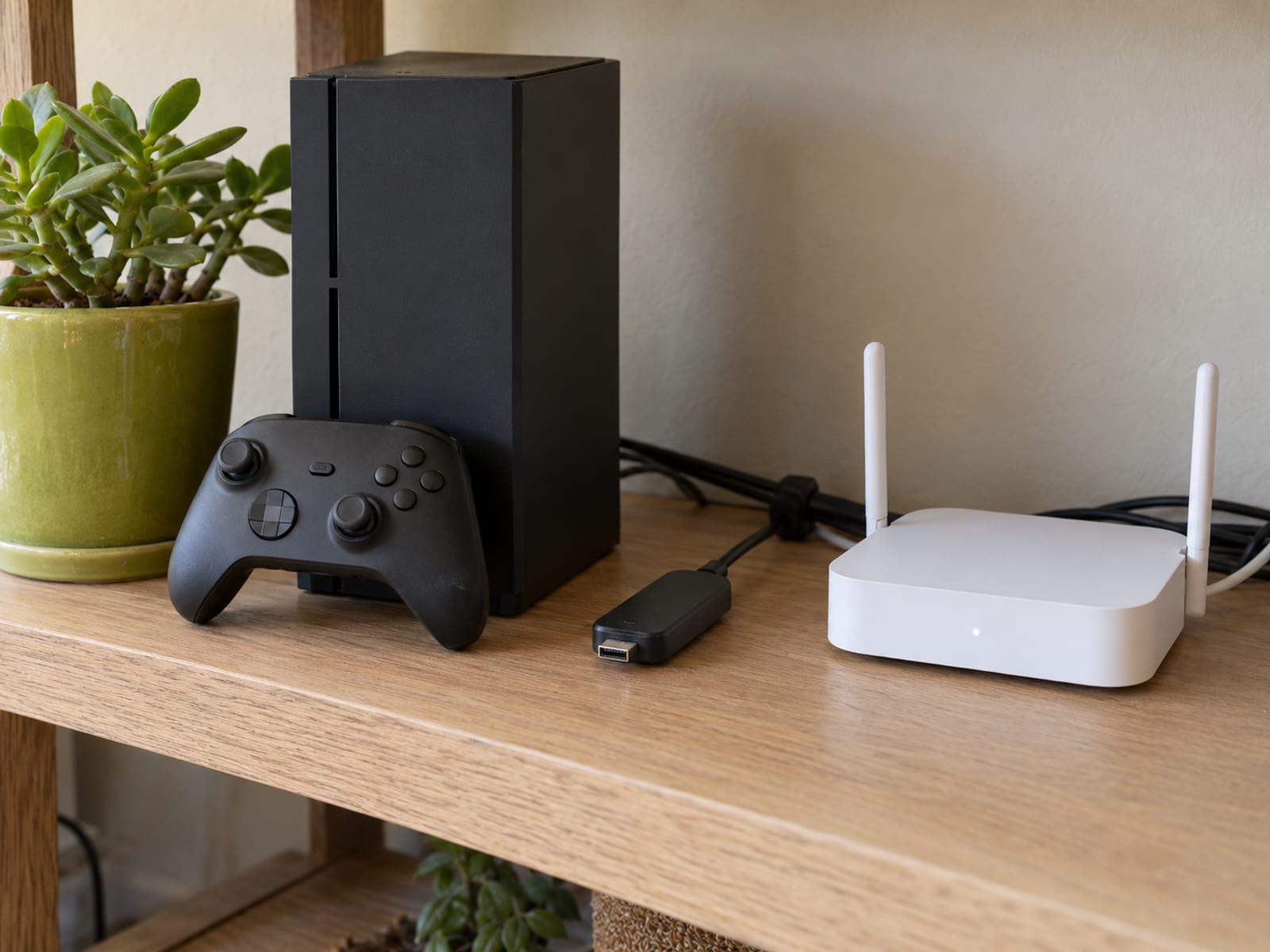
Check the provider’s current support limits before relying on it for a Fire Stick, PS5, smart TV, Xbox, Apple TV, Chromebook, or router. Some devices use a native app, some need a compatible router, and some may not support the provider directly. Confirm the destination service’s current terms at the same time.
Proton VPN’s published documentation describes a free tier with unlimited data, one simultaneous device, servers in 10 countries, DNS-leak protection, and a kill switch. Proton also advertises a 30-day money-back guarantee for paid plans. The free tier and the money-back guarantee are separate things. A money-back guarantee is not a free trial.
Before paying, confirm the provider’s US checkout total, billing interval, renewal amount, refund eligibility, and purchase channel immediately before payment. Check the provider’s checkout and refund pages again if you leave the purchase unfinished.
The tradeoff is straightforward. A free tier may fit occasional use on one device, while a paid plan may fit a household or a device setup that needs more locations or simultaneous connections. Neither option guarantees access to a blocked website. A provider’s claims about logging, speed, security, or anti-censorship remain provider claims unless supported by an independent audit or measurement.
If your main goal is home-wide coverage, compare the best router with a built-in VPN client for home. If your main goal is one phone, start with how to set up and use a VPN on an iPhone or the matching Android instructions. The next step is to identify your state, device, and destination service, then check each current rule before choosing a plan.
Frequently asked questions
The short answers below separate VPN legality from website access, age verification, and tracking.
Which states have banned VPNs?
The confirmed statutes described here do not create a general state ban on VPNs. They regulate covered adult websites and age verification, with Utah SB 73 directly addressing some VPN and proxy connections. Verify the current official code and court docket before making a state-specific claim.
Is the US blocking VPNs?
The United States is not described here as imposing a nationwide VPN block. Individual websites, internet providers, or platforms may block VPN IP addresses, request age verification, or limit access based on apparent location.
Will VPNs be banned in the USA?
The federal SCREEN Act was introduced in 2025 and referred to committee, but a bill is not a law. Check Congress.gov for the latest action and review any later federal court docket before relying on a prediction about a nationwide ban.
Are VPNs being banned in the US?
The documented state activity concerns adult-content age verification and website access. It should not be described as a nationwide VPN ban or as a general prohibition on having a VPN.
Can the government ban a VPN?
A government can enact laws affecting websites, providers, or particular conduct. Whether a specific VPN restriction is constitutional and enforceable depends on the law’s wording, court rulings, and later enforcement actions.
Can the FBI track a VPN?
A VPN can hide your IP address from a destination website, but it does not make you legally untraceable. Accounts, payment records, device data, website logs, VPN-provider records, and legal requests may still connect activity to you.
Is it illegal to use a VPN for Netflix?
Netflix does not call VPN use illegal. Netflix says VPN use can cause a proxy error and is unsupported on ad-supported viewing and live events, so follow Netflix’s current terms and help guidance.
What are the risks of using a VPN?
A VPN may cause access errors, reveal a VPN or proxy connection, reduce performance, or conflict with a website’s terms. It does not provide universal anonymity, guarantee legal access, or prevent every form of tracking.
Is it legal to have a VPN?
Ordinary VPN ownership is generally lawful in the United States. The underlying activity, the law where you are physically located, and the terms of the service you use still apply.
Is it legal to change your VPN location?
Changing servers or locations is not identified in the cited state laws as a standalone offense. You still must follow the destination service’s terms and must not use the changed location to misrepresent eligibility or defeat an access control.
Can someone be tracked with a VPN?
Yes. A VPN can change the IP address a website sees, but accounts, cookies, device fingerprints, payment details, provider records, and other services may still identify or connect activity to a person.
A practical next step is to write down your physical state, device, and destination website. Check the applicable official state code and court docket, read the service terms, then confirm the provider’s current device support, checkout total, renewal price, and refund rules before paying.
Glossary
Find more VPN guides on Tunnel Verdict. Have a question about your own setup? Contact us and include your device and the VPN you use.