
If you need a VPN for several phones, computers, streaming devices and a router, Private Internet Access is a practical low-cost choice because one subscription allows unlimited simultaneous connections. Its main tradeoff is that you are trusting a US-based provider owned by Kape Technologies, while some networks, websites and apps may not work smoothly through a VPN.
The annual plan is the sensible middle option for most people. The three-year plan costs less per month, but it renews at $79 every three years, so read the renewal amount before paying. Install PIA only on supported systems, then test the servers and services you actually use. Prices checked October 28, 2026.
Key takeaways
- Choose annual billing for a lower price without committing to three years.
- PIA supports unlimited simultaneous connections, but some devices need a router setup.
- PIA is not an anonymity service. Accounts, cookies, GPS and browser fingerprints can still identify you.
- Its privacy record includes open-source apps, audits and court-related evidence, with US jurisdiction as the main trust tradeoff.
- Use PIA’s 30-day guarantee for eligible website purchases, and handle App Store or Google Play refunds through the relevant store.
What PIA Costs Now And What It Renews At
PIA’s US pricing page lists three paid VPN plans. The monthly plan costs $11.95 upfront for one month and renews at $11.95 every month. The annual plan costs $47.88 upfront for 12 paid months, which works out to $3.99 per month, and renews annually at $47.88.
The long-term plan costs $79 upfront for 36 paid months plus three extra months of bonus time. PIA displays that initial period as $2.03 per month across 39 months. It renews at $79 every three years. The three bonus months are separate from the 36 paid months, so the renewal does not provide another 39-month period at the same displayed rate.
Prices are US-dollar amounts from PIA’s US page, checked October 28, 2026. Confirm the final amount, taxes if shown, add-ons and renewal price on the checkout screen before paying. Website purchases qualify for PIA’s 30-day money-back guarantee when eligible. Apple App Store and Google Play purchases follow the relevant store’s refund rules instead. Gift cards and third-party deal-site purchases are excluded from PIA’s own guarantee.
A free trial is different from both a paid plan and the money-back window. PIA’s terms mention free trials at its discretion, so a trial is not offered to every new customer and its length can vary. If a trial appears, read its billing terms before accepting it.
Website billing is usually easier if you want PIA’s own 30-day guarantee. Store billing may be more convenient if you manage subscriptions through Apple or Google, but refunds and cancellation must then be handled through that store. PIA subscriptions renew automatically unless you cancel or turn off renewal before the renewal date.
Is PIA Trustworthy Under US Jurisdiction?
PIA fits readers who want documented privacy features and a low long-term price, but US jurisdiction is a real tradeoff for anyone choosing a VPN mainly for the provider’s legal location. PIA is operated by Kape Technologies, which acquired Private Internet Access in December 2019. Kape describes itself as a London-headquartered digital security software company.

A US-based VPN does not remove the need to follow US law, the law where you are located, or the terms of the websites and services you use. It also does not make you anonymous. A VPN encrypts the connection between your device and the VPN server and changes the IP address that websites see. Accounts, cookies, tracking pixels, GPS and browser fingerprinting can still identify you.
PIA’s documented record gives privacy-minded buyers more to consider than ownership alone. Its apps have been open source since 2018, and PIA says its no-logs position was examined by Deloitte in 2022, 2024 and 2025. Court-related proceedings in 2016 and 2017 also involved situations where PIA could not connect activity to a customer through useful user-activity logs.
The ownership question remains a matter of personal preference. If you want a provider with a US operating structure, open-source apps and a published audit record, PIA can fit. If the provider’s jurisdiction or corporate ownership is more important to you than unlimited connections and price, compare alternatives such as Mullvad VPN’s flat-price approach.
Which PIA Apps Work On Your Devices?
PIA supports Windows, macOS, Linux, Android, iOS, Fire TV and Fire Stick, Apple TV, Chrome and Firefox. Current minimum versions include Windows 10 and 11, macOS 10.15 for the direct download, macOS 12 for the Mac App Store, Android 7, iOS 15, Fire OS 6 and tvOS 17.
That gives most households a native app for phones, computers and common streaming platforms. Before subscribing, identify every device that needs coverage and confirm its operating system. A device with a compatible brand name may still need a current enough version.
One subscription allows unlimited simultaneous connections on compatible devices. You could use PIA on phones, laptops, a Fire Stick and other supported devices at the same time without counting a fixed device limit. That is useful for a household, but it does not mean every device has a native app.
Some consoles, Chromecast devices and smart TVs may need a compatible router setup. A router connection can cover devices that cannot run PIA directly, but it changes the setup and can place every device on the VPN unless you configure exceptions. For that choice, use VPN on your router or your devices to decide which arrangement fits your home.
PIA also provides browser extensions for Chrome and Firefox. A browser extension generally affects browser traffic, while the full app can cover other device traffic. Treat those as different coverage choices when setting up a computer.
For a Fire Stick, confirm the Fire OS version under Settings before installing. For Apple TV, confirm that the device runs tvOS 17 or later. For a PS5 or another console without a direct app, check whether router configuration is practical for your network. Unlimited connections help most when the devices themselves can connect through a supported app or router.
What Do PIA’s Privacy Features, Audits And Court Record Show?
PIA’s apps are open source, and its public GitHub organization includes desktop clients for Windows, macOS and Linux, iOS, Android-related repositories, Chrome extensions and Apple-platform tunnel components. Open-source code allows public inspection, but it does not turn the service into an anonymity tool.

Deloitte Audit Romania’s 2024 limited-assurance engagement assessed PIA’s systems as configured on January 31, 2024. The report, dated April 17, 2024, covered VPN servers, distribution servers, access management, change management, configuration management, incident management and deployment processes.
Deloitte’s report concluded that nothing came to its attention indicating that PIA’s systems were not prepared in accordance with PIA’s described no-logging safeguards as of that date. The engagement was limited assurance. It was not a financial audit or a legal-compliance examination, and its conclusion applies to the assessed period.
PIA says a third independent Deloitte review in 2025 covered VPN configuration, management systems, incident response and token-based dedicated-IP technology under ISAE 3000 Revised. If PIA provides access to the full report, read its systems, date and scope before relying on the broader coverage suggested by the announcement.
The court record is another part of the picture. A 2016 FBI subpoena and a 2017 court proceeding involving alleged unauthorized access to Embarcadero Media accounts were associated with reporting that PIA could not provide useful logs connecting activity to a customer. These events support a documented no-logs history, but they do not promise that every future system or legal situation will work the same way.
How Do Port Forwarding, Split Tunneling And Kill Switches Work?
PIA offers port forwarding on supported server locations. The app assigns the port automatically, and software that needs incoming connections can use it. Examples include some peer-to-peer applications, multiplayer games and self-hosted services. PIA’s Windows support page says port forwarding is not available on US server locations, so check the server location before depending on it.
Desktop split tunneling sends selected applications or IP addresses through the VPN while other traffic uses the ordinary connection. That can let a work service, bank or game bypass the VPN while protecting other traffic. Traffic excluded from the VPN is not protected by it. Split tunneling is not available on iOS.
PIA’s iOS app has its kill switch enabled by default. On Windows, the standard kill switch blocks traffic when the VPN disconnects. Advanced Kill Switch can require a VPN connection even when the PIA app is closed. These settings can prevent accidental direct traffic, but they can also make the internet appear broken until the VPN reconnects.
What To Do When PIA Will Not Connect
A failed VPN connection can come from a restricted network, an incompatible setting, firewall or antivirus interference, an outdated configuration, IPv4 or IPv6 incompatibility, or packet fragmentation. Start with the simplest change: try another Wi-Fi network or a mobile hotspot.
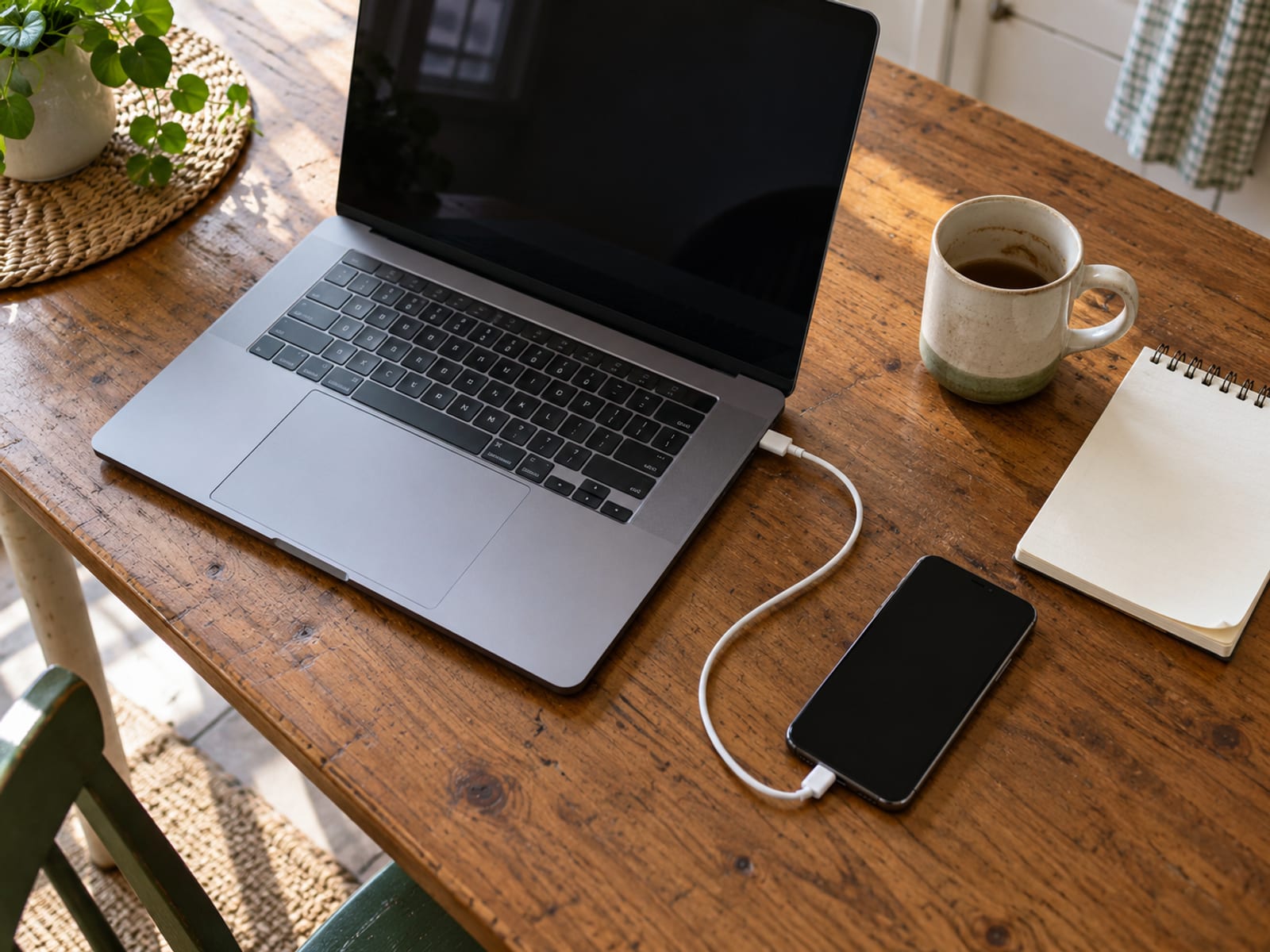
Then connect to a different, preferably nearby, PIA server. Change between WireGuard and OpenVPN, update the PIA app, and enable Small Packets if fragmentation may be involved. Check whether another VPN, proxy, firewall or security program is interfering.
If the network appears to block the direct VPN route, try Multi-Hop. A bank, workplace network, game or streaming service may also reject a VPN location or server address, so test that service with another server and with the VPN temporarily disconnected when appropriate.
PIA says some local networks restrict VPN protocols or ports and that it cannot guarantee connectivity everywhere. If the problem continues, send debug logs to PIA support. For a general sequence covering phone, PC and Wi-Fi problems, use VPN not connecting fixes.
What Are PIA’s Limits, Terms And Practical Tradeoffs?
PIA can add connection overhead and latency, especially with a distant server or Multi-Hop. A website or app may block a VPN server’s IP address, a bank may reject a location mismatch, or PIA MACE may block a domain or script that a website needs. Streaming services may also show a VPN or proxy message. If Netflix displays one, work through the Netflix proxy error fixes.
A VPN shifts trust from the internet provider to the VPN provider. It protects the device-to-server connection on an untrusted network, but it does not replace account security, software updates, phishing protection or careful browsing. PIA’s terms say that service coverage, speeds, locations and quality are not guaranteed.
PIA’s terms prohibit unlawful activity, copyright infringement and bypassing geographic restrictions imposed by content providers. PIA may impose usage limits, suspend or block services, or cancel services under the agreement. You remain responsible for the laws and third-party terms that apply to your activity.
Mobile data usage depends mainly on what the phone is doing. A VPN can add connection overhead, but it does not make ordinary browsing or video use independent of the phone’s data plan. Compare the phone’s data counter with and without the VPN during the same type of activity if data use is your concern.
Which Reader Should Choose PIA?
PIA is a conditional pick for a household that needs many simultaneous connections, broad platform support, open-source apps, port forwarding and detailed desktop controls at a low long-term price. The annual plan fits someone who wants a lower effective monthly cost without committing to three years. The long-term plan fits only if you are comfortable with a $79 renewal every three years. Prices checked October 28, 2026.

The main tradeoffs are US jurisdiction, Kape ownership, possible setup complexity, port-forwarding location limits and connection problems on restricted networks. Beginners who want a simpler app experience may prefer to compare current platform support, device policy, renewal prices and terms before switching.
Use the eligible refund period to test the specific servers, devices and services that matter to you. Follow PIA’s terms, and remember that App Store or Google Play purchases use the store’s refund process. If you want a different privacy model, compare Proton VPN and Mullvad next.
Frequently asked questions
The answers below cover the main purchase, privacy and setup questions that affect a PIA decision.
Is PIA still trustworthy?
PIA has open-source apps, published audit information and a no-logs position supported by court-related history. It is still a US-based service owned by Kape Technologies, and a VPN does not provide complete anonymity.
Is Private Internet Access any good?
PIA is a good fit for low long-term pricing, unlimited simultaneous connections, broad platform support, port forwarding and desktop controls. Its tradeoffs include US jurisdiction, possible connection problems and more setup decisions than some simpler VPN apps.
Is PIA better than NordVPN?
There is no universal winner. PIA’s clear advantage for this use case is unlimited simultaneous connections, so compare the current device policy, renewal price, supported platforms, privacy priorities and terms before choosing.
Who owns Private Internet Access?
Kape Technologies owns Private Internet Access after acquiring it in December 2019. Kape describes itself as a London-headquartered digital security software company.
How much does PIA cost?
PIA’s US plans checked October 28, 2026 cost $11.95 monthly, $47.88 for one year, or $79 for three paid years plus three bonus months. The listed renewals are $11.95 monthly, $47.88 annually and $79 every three years.
Is PIA better than Surfshark?
PIA has documented advantages in unlimited simultaneous connections, port forwarding and open-source apps. A fair choice requires comparing current Surfshark pricing, renewal terms, device policy and platform evidence.
Is Private Internet Access free?
No. PIA is a paid VPN service, although its terms mention free trials at PIA’s discretion. A free trial is separate from both the paid plans and the 30-day money-back guarantee, and its exact terms should be confirmed before acceptance.
What is the Private Internet Access controversy?
The main documented concern is Kape’s acquisition of PIA in December 2019. The ownership change raises questions for people who preferred PIA’s earlier independent identity, but it does not by itself establish that PIA logs user activity.
How much does a VPN cost per month?
PIA’s monthly plan is $11.95 per month, while its annual plan works out to $3.99 per month when paid as $47.88 upfront. Its long-term plan displays $2.03 per month over 39 months, including three bonus months, with renewal at $79 every three years.
What are the downsides of using a VPN?
A VPN can add latency, cause websites or apps to block access, and shift trust to the VPN provider. It can also renew automatically, so check the renewal amount and cancel before the renewal date if you do not want another charge.
Why does my internet stop when I connect to a VPN?
The network may restrict VPN protocols or ports, or the app may conflict with a firewall, antivirus program, proxy or another VPN. Try another network or server, switch between WireGuard and OpenVPN, update the app, and enable Small Packets when fragmentation is suspected.
Does a VPN use more mobile data?
A VPN can add connection overhead, but the phone’s activity remains the main driver of data use. Compare the phone’s data counter with and without the VPN during the same activity to see the difference on your plan.
Glossary
Find more VPN guides on Tunnel Verdict. Have a question about your own setup? Contact us and include your device and the VPN you use.